Pair-bond-aware, cosy, territory-savvy care for feisty little lovebirds while you are away.
Lovebirds pack more attitude into four inches than birds twice their size. These stocky little African parrots are devoted, busy, endlessly curious, and a touch fearless, which is a wonderful combination to live with and a particular one to board well. A lovebird does not drift through its day; it commits to everything, whether that is shredding a strip of palm leaf, defending its corner of the cage, or pressing itself against its mate to preen. Caring for one while its owner travels means honouring all of that intensity rather than trying to dampen it, and that is the approach we take here in Milton.
The first thing to understand about lovebirds is the bond. They are named for the way a pair sits shoulder to shoulder, preening and feeding each other for hours, and that attachment is the centre of their world. We keep bonded pairs together in their own cage for every stay, because pulling a pair apart is far harder on them than the trip ever could be. A lovebird kept on its own gets the next best thing: housing within sight and sound of other birds, plus genuine attention from us to fill the gap, since a solo lovebird without company quickly grows restless and loud.
The second thing is the feistiness. Lovebirds are bold and territorial, and they will defend their cage and their mate with a beak that means business. We do not take that personally. We treat the cage as the bird's own ground, never reach in to snatch, and let the lovebird decide when to come out and say hello. Handled patiently and on its own terms, most of that bristling defensiveness softens into the same nosy, climb-on-everything curiosity that makes the species so much fun in the first place.
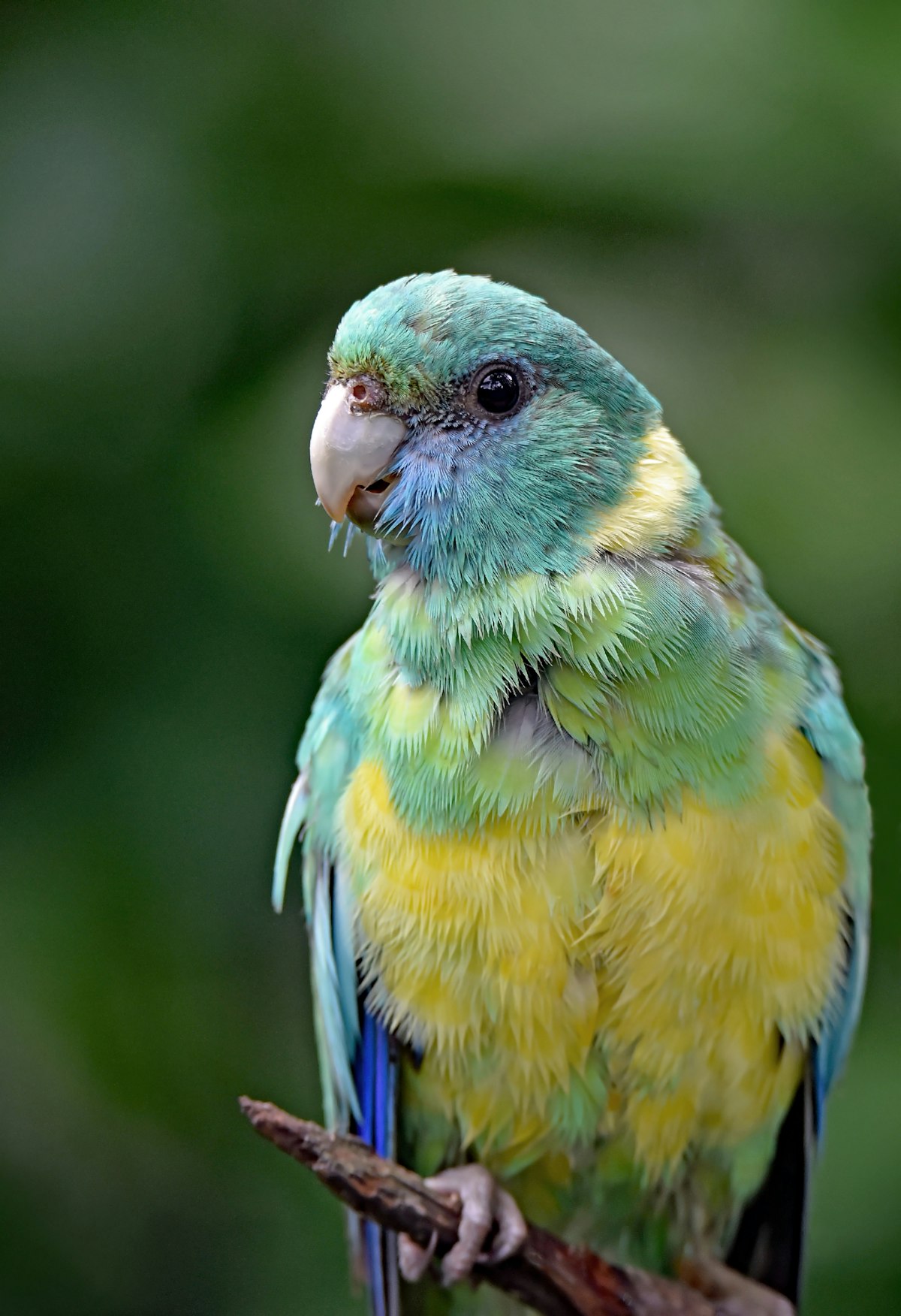
Bonded pairs board in their shared cage so they can preen, feed, and roost together exactly as they do at home.
The room is kept comfortably warm and cages sit away from cold glass, important for these tropical birds in a Milton winter.
We treat the cage as the bird's own ground, never grab, and let a bold lovebird choose to come to us.
Palm leaf, soft wood, paper, and weave-it-yourself foraging toys to satisfy a lovebird's constant urge to chew and tuck.
Your exact food kept intact, with the chopped greens and veg lovebirds love and seed treats kept to a sensible amount.
Pictures and notes on your pair's preening, play, and appetite so you can see them content while you are away.
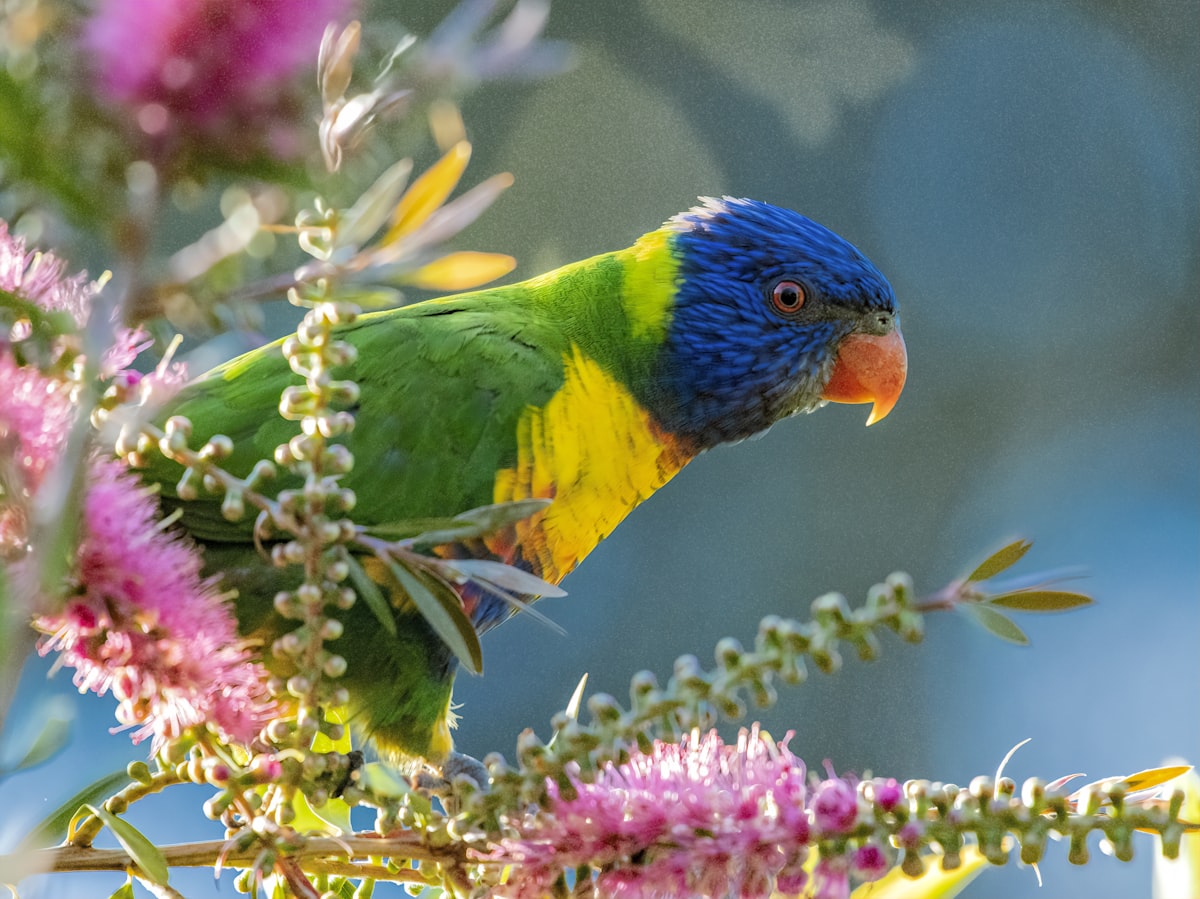
Lovebirds settle fastest when their little world comes with them. If you can, bring the cage they know and the cosy hut or tent they sleep in, since lovebirds love to wedge themselves into a snug hide at night and feel exposed without one. Pack a few of their favourite shreddables too, and tell us the small things: who is the bossy one of the pair, what foods send them into a flutter, and whether your bird is a confident hand-tamed character or a watch-from-the-perch type. The more we know, the more naturally the stay fits.
A lot of Milton families come to us before a holiday or a stretch of winter travel, which is exactly when a tiny tropical bird is most exposed to cold snaps and changes in routine. We take that off your plate, keeping the room snug, the bedtime hut in place, and the pair undisturbed in their own space. Send us your dates and a quick sketch of your lovebird's personality, and we will give your feisty little ones the warm, respectful stay that suits them.
Book Lovebird BoardingMore tips: seasonal bird care in Milton's climate · preparing your bird for boarding
Loud, playful, clownish conures and the hands-on, noise-friendly care they thrive on.
Learn more