Milton's Climate and Your Bird
Living in Milton means experiencing the full range of Ontario's seasons, from frigid January winds sweeping off the Escarpment to humid July afternoons. While we adapt our wardrobe and routines to the changing weather, it is equally important to adjust our bird care practices throughout the year. Companion birds, most of which originate from tropical or subtropical climates, are particularly sensitive to temperature, humidity, and light cycle changes.
This guide walks through each season and offers practical advice that Milton bird owners can put into action right away.
Winter: Keeping Warm and Healthy
Milton winters are cold, with temperatures regularly dipping below minus ten degrees Celsius and wind chill making it feel even colder. For indoor birds, the main concerns during winter are dry air, drafts, and reduced daylight.
Humidity management: Forced-air heating systems, which most Milton homes use, strip moisture from the air. Low humidity can dry out your bird's skin and respiratory passages, leading to itching, flaky skin, and even respiratory irritation. Invest in a quality humidifier for the room where your bird spends most of their time. Aim for a relative humidity of 40 to 60 percent, which is comfortable for both birds and humans.
Avoid drafts: Position your bird's cage away from exterior doors, single-pane windows, and heating vents. While you want the room to be warm, a constant blast of hot dry air from a vent is just as problematic as a cold draft. The ideal temperature range for most companion birds is 18 to 24 degrees Celsius.
Light exposure: Winter days in Milton are short, with sunrise after seven thirty in the morning and sunset before five in the afternoon during December and January. Birds need adequate light exposure to maintain healthy hormone levels and mood. Consider a full-spectrum avian light on a timer to supplement natural daylight, providing around twelve hours of light and twelve hours of darkness.
Window safety: If your bird enjoys looking out the window, make sure the glass is not radiating cold into their space. You can feel this by holding your hand near the window on a cold day. If the air near the glass is noticeably colder, move the cage further from the window or add insulating window film.
Spring: Transition and Hormonal Changes
Spring in Milton is a time of dramatic change. Temperatures swing from below freezing at night to double digits during the day, and daylight hours increase rapidly. For birds, this seasonal shift often triggers hormonal behaviour.
Managing hormones: Increasing daylight is the primary trigger for hormonal behaviour in birds, which can include nesting behaviour, territorial aggression, regurgitation, and increased vocalization. To moderate these behaviours, maintain a consistent twelve-hour light and dark cycle rather than letting your bird's schedule follow the lengthening days. Cover their cage at the same time each evening regardless of when the sun sets.
Reduce nesting triggers: Remove anything that could be perceived as a nesting site, including dark enclosed spaces, tents, happy huts, and boxes. Avoid petting your bird on their back or under their wings, as this can stimulate hormonal behaviour. Stick to head and neck scratches.
Fresh air considerations: As Milton warms up, it is tempting to open windows. While fresh air is good for birds, make sure window screens are secure and free of gaps. Never leave windows open unattended if your bird has free-flight time in the room. Also be mindful of outdoor allergens like pollen, which can affect birds with sensitive respiratory systems.
Spring cleaning safety: Many common household cleaners release fumes that are dangerous to birds. If you are doing a thorough spring clean, move your bird to a well-ventilated room away from any cleaning products. Never use aerosol sprays, scented candles, or air fresheners near your bird.
Summer: Heat, Outings, and Travel
Milton summers can be hot and humid, with temperatures occasionally climbing above thirty degrees Celsius. This presents both opportunities and challenges for bird owners.
Preventing overheating: Birds cannot sweat. They regulate their temperature by panting and holding their wings away from their body. If you notice these behaviours, your bird is too warm. Ensure their space is well-ventilated and out of direct sunlight. A room thermometer near the cage helps you monitor conditions. If your home does not have air conditioning, a fan directed away from the cage to circulate air without creating a direct draft can help.
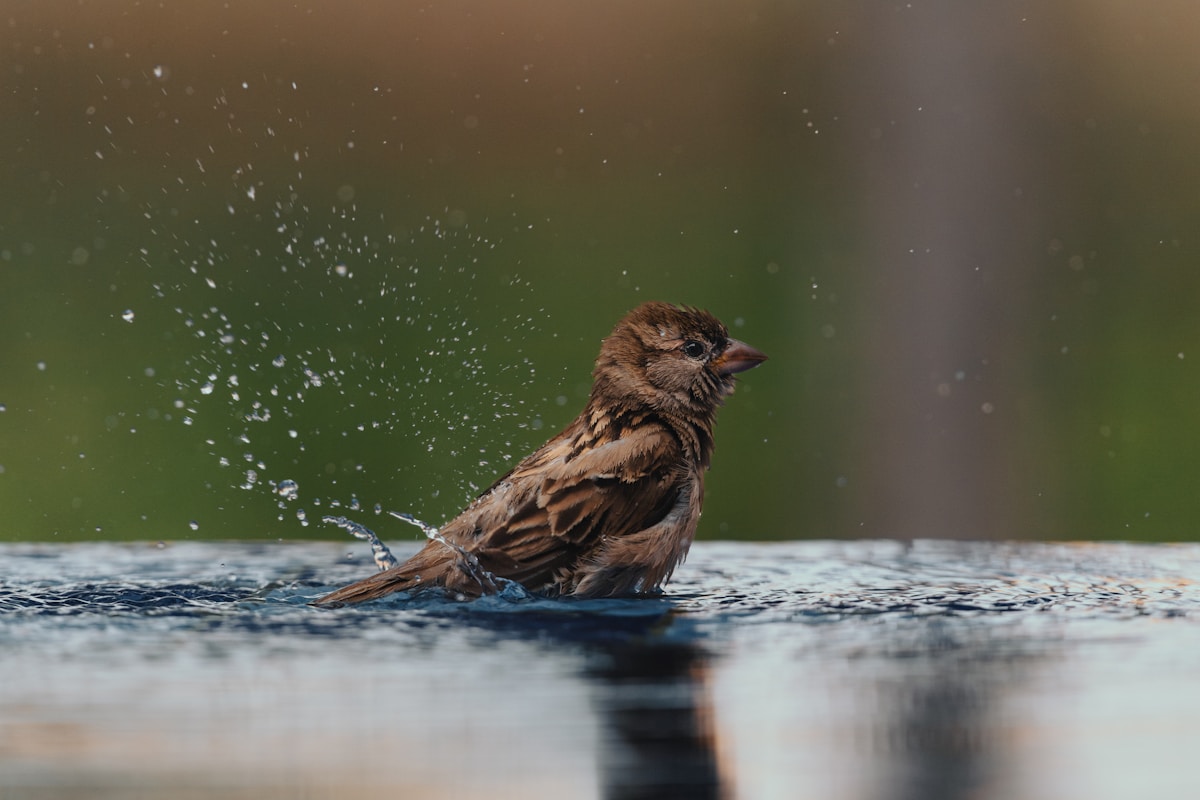
Hydration: Fresh water is always important, but it is critical during hot weather. Change your bird's water at least twice a day in summer and consider adding a shallow dish for bathing. Many birds enjoy misting with a spray bottle of room-temperature water during hot afternoons.
Outdoor time: Summer is a great time to give your bird some supervised outdoor time on a secure harness or in a travel cage. The natural sunlight, fresh air, and new sights provide excellent enrichment. Always supervise outdoor time closely, provide shade, and watch for signs of overheating. Never leave your bird outdoors unattended, even in a locked cage, as predators like hawks and neighbourhood cats are a real risk in Milton's suburban areas near the Escarpment.
Travel and vacation: Summer is peak travel season, and if you are heading away, this is when a trusted bird boarding service becomes essential. At Milton Bird Boarding, our summer availability fills up fast, so we recommend booking at least two weeks in advance for July and August stays. Your bird will enjoy our climate-controlled space while you enjoy your trip.
Fall: Preparing for the Cold
Autumn in Milton brings crisp air, beautiful colours along the Escarpment trails, and gradually shortening days. For bird owners, fall is the time to prepare your bird's environment for the coming winter.
Moulting season: Many birds undergo a major moult in the fall, shedding old feathers and growing new ones. This process is energy-intensive and can make your bird irritable or tired. Support moulting by ensuring a protein-rich diet with plenty of fresh vegetables, and increase bathing opportunities to help loosen pin feathers.
Heating system check: Before you turn on the furnace for the first time, run it with your bird in a different room. Dust and debris that accumulated in the ducts over summer can create a burst of particles and fumes that irritate your bird's respiratory system. Let the system run for a few hours with windows cracked before reintroducing your bird to the heated space.
Daylight transition: As days get shorter, gradually adjust your bird's light schedule to maintain consistency. Do not let them go from sixteen hours of summer light to eight hours of winter darkness abruptly. Ease the transition over several weeks using a timer on their avian light.
Stock up on supplies: Fall is a good time to ensure you have an adequate supply of food, bedding, and enrichment materials before winter weather makes errands less convenient. Milton's pet supply stores often run sales in October and November, so take advantage of those to stock up on quality pellets, seeds, and toys.
Year-Round Essentials
Regardless of the season, some care practices remain constant. Always provide fresh, clean water daily. Maintain a balanced diet appropriate for your bird's species. Keep the cage clean and sanitized. Schedule annual checkups with an avian veterinarian. Provide consistent social interaction and enrichment every single day.
Milton Bird Boarding maintains optimal environmental conditions year-round, including temperature control, humidity management, proper lighting cycles, and air filtration. Whether your bird visits us in the middle of January or the height of August, they will be comfortable and well cared for. If you have questions about adapting your home care routine to the seasons, our team is always happy to share advice.