Gentle, predictable care for whistly, sensitive cockatiels while you travel.
Cockatiels sit in a lovely middle ground between the tiny budgie and the big parrots: small enough to be easy company, smart enough to learn tunes and mimic the microwave, and affectionate enough that many bond hard to one person. That sweet, sensitive nature is also why a cockatiel can struggle when its routine is suddenly turned upside down. A good boarding stay is one that keeps a cockatiel feeling secure, and that is what we focus on every day at Milton Bird Boarding.
What makes cockatiels different from other small parrots is how strongly they react to their environment. They are creatures of habit who take comfort in a steady rhythm, the same wake time, the same feeding hour, the same quiet evening. They are also prey animals at heart, so a strange noise or a fast shadow can rattle them. We meet that by keeping the boarding space calm and consistent, reading body language closely, and letting a new arrival settle at its own pace instead of pushing interaction before the bird is ready.
The single most important thing to know about boarding a cockatiel is the night fright. These birds are prone to panicked thrashing in total darkness if something startles them, and a flailing cockatiel can hurt a wing or break a blood feather in seconds. We guard against it with a soft night light and a stable, quiet sleeping area, so even a slightly anxious bird in a new place gets through the night safely and wakes up calm.
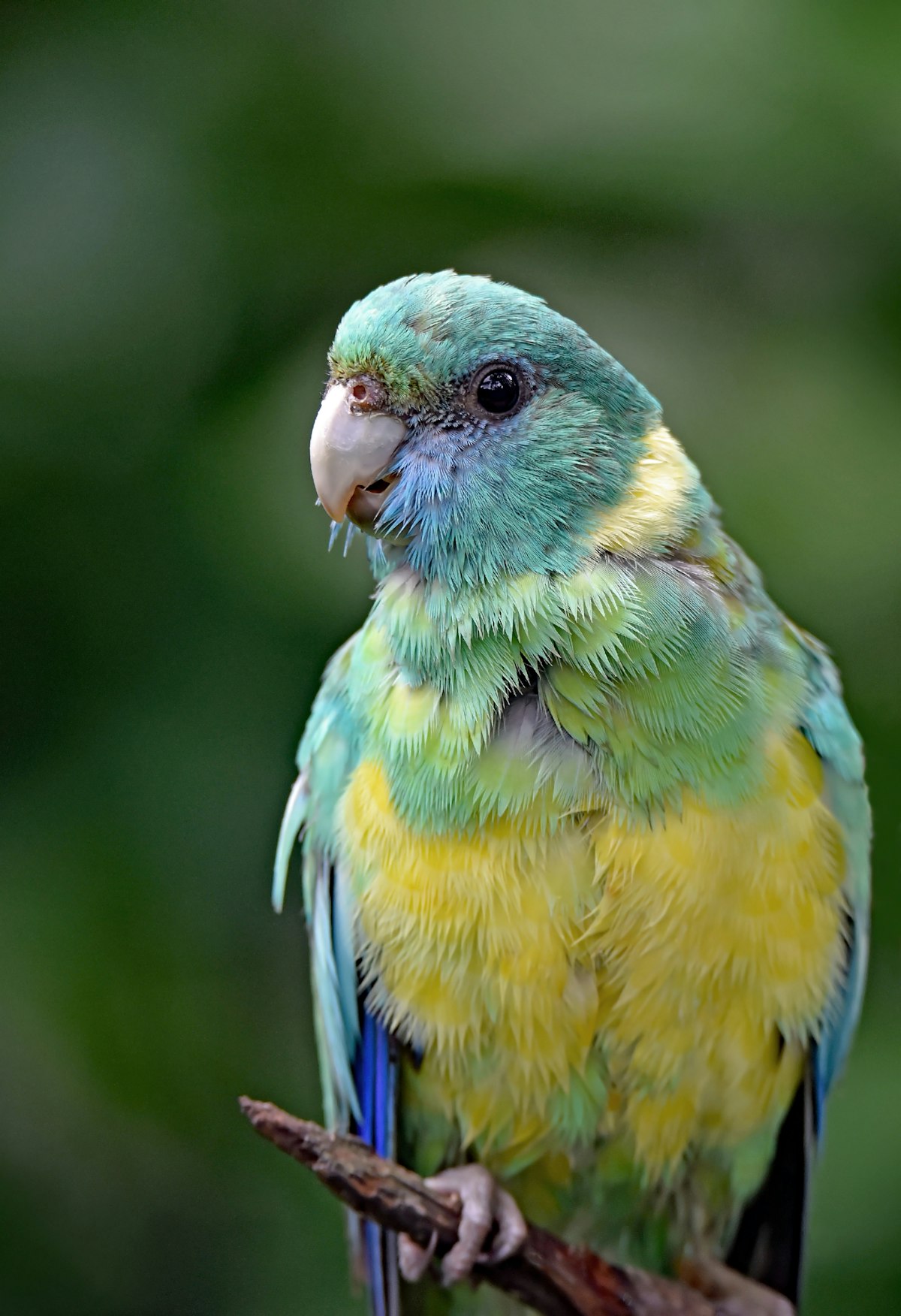
A soft night light and a quiet, stable sleep area keep startled cockatiels from thrashing in the dark.
Wake, feeding, and bedtime hours matched to home, because cockatiels settle best on a steady rhythm.
Well-ventilated, regularly cleaned space that handles the fine powder-down these birds naturally produce.
Whistling, quiet talk, and out-of-cage time for tame birds, with shy ones given space and slow trust.
Familiar pellets or seed plus fresh veg, with calcium support that laying females especially need.
Pictures and notes on whistles, appetite, and mood so you can watch your tiel relax from afar.
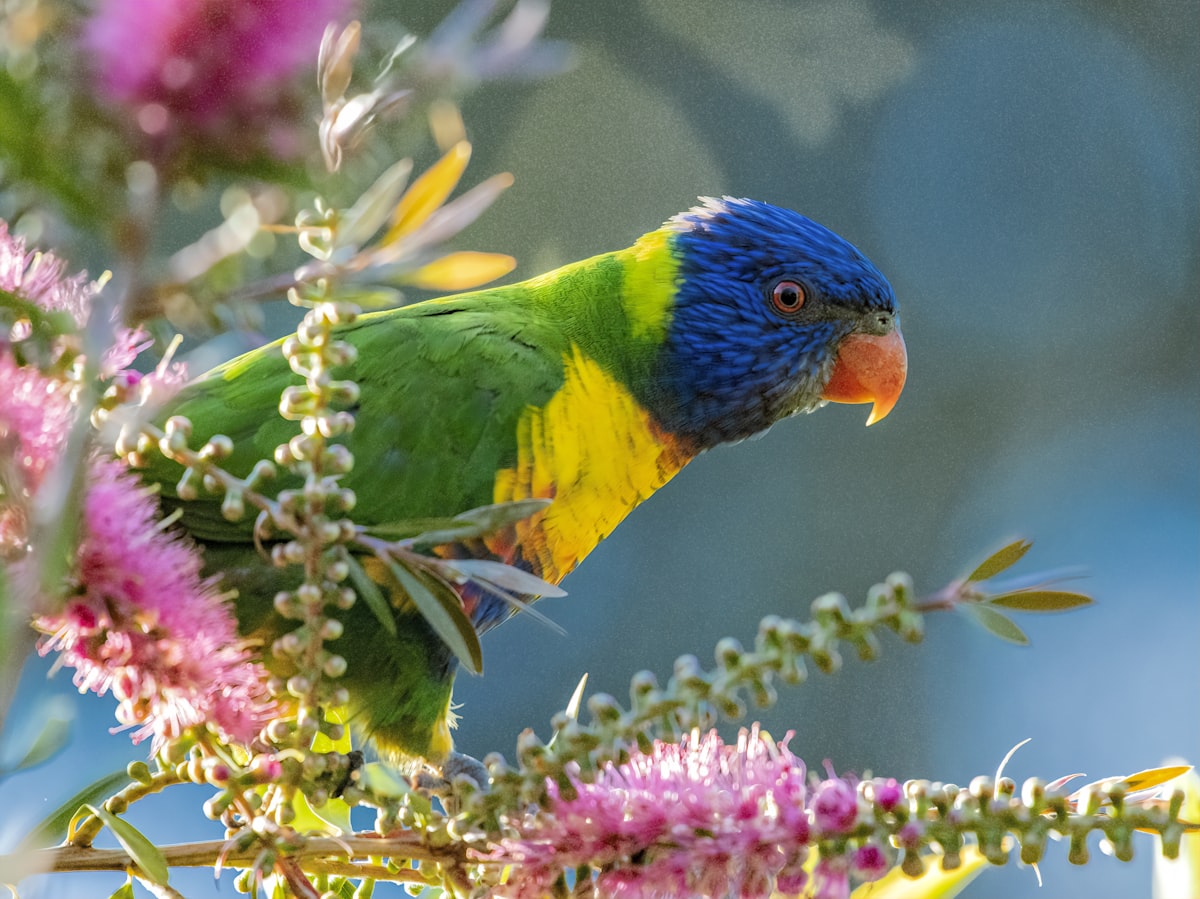
A cockatiel wears its mood on its head. That expressive crest tells us almost everything: held high and curious means a relaxed bird, flattened tight means fear or warning, gently angled means calm and content. We watch it constantly during a stay, because it lets us adjust on the fly, giving a tense bird more quiet and an outgoing one more company. Bringing your bird's own cage, a familiar toy, and the cover it sleeps under makes that adjustment faster, and we will keep its bedtime the same as it is at home.
Milton families travel plenty, whether it is a weekend exploring the conservation areas around Kelso or a longer winter getaway, and a sensitive cockatiel does best when those trips do not throw off its world. We hold the routine steady so your bird barely registers that you are gone. Send us your dates along with a note about your tiel's favourite whistle and whether it is a cuddler or an observer, and we will tailor the stay to suit.
Book Cockatiel BoardingMore tips: understanding bird body language · preparing your bird for boarding
Brilliant, sensitive greys that need steady routine and real engagement.
Learn more